Thinking about buying a small investment property in Woodstock, GA? You are not alone. In a market with steady population growth, solid household incomes, and an active mix of homes for sale and rent, Woodstock can look appealing at first glance. The key is knowing how to read the numbers, choose the right property type, and avoid the common mistakes that can hurt your returns. Let’s dive in.
Why Woodstock Gets Investor Attention
Woodstock is not a sleepy suburb. According to Census QuickFacts, the city’s population reached 35,097 in 2025, up 13.7% from 2020, with 14,730 households and a 64.0% owner-occupied housing rate.
That matters because growth tends to support housing demand over time. Woodstock also shows a median household income of $103,496 and a median gross rent of $1,821, which points to a renter base with meaningful earning power.
Cherokee County adds more context. The county has a 77.3% owner-occupied rate and median household income of $108,115, while Woodstock itself has a larger renter share than the county overall. For a small investor, that suggests the city has a real rental market instead of being driven only by owner-occupants.
What the Woodstock Market Looks Like Now
If you are evaluating a rental property, you need to separate activity from hype. Public market data suggests Woodstock remains active, but not overheated.
Redfin reports a median sale price of $429,743 for the three months ending May 2026, with homes selling in about 39 days and getting around 2 offers on average. Zillow shows an average home value of $464,953, a median sale price of $437,333 as of May 31, 2026, and median days to pending of 30.
Those sources use different methods, so the exact numbers vary. Still, they point to the same broad takeaway: Woodstock is a functioning suburban market with inventory and buyer activity, not a distressed one.
One note of caution is pricing momentum. Redfin shows sale prices down 15.1% year over year, while Zillow reports home values down 1.8% over the past year. That is a reminder to buy based on cash flow logic, reserves, and flexibility, not on the hope that appreciation will bail out a thin deal.
Rental Demand in Woodstock
Rental demand in Woodstock appears meaningful, but you should still underwrite conservatively. The city’s growth, commuter profile, and income levels support the case for a stable renter pool.
Woodstock’s mean travel time to work is 29.9 minutes. That commuter-suburb pattern, paired with above-average household income, suggests demand may come from professionals, relocating households, and people who want access to the broader North Atlanta job base.
Rental pricing also supports the idea that demand exists across several property sizes. Zillow reported average asking rent of $2,463 with 255 active rentals as of July 10, 2026, while another Zillow rent measure showed average rent at $2,149 with a 2% year-over-year increase as of June 30, 2026.
Because those figures come from different methodologies, it is smarter to use them as a rough range than as one exact benchmark. In other words, Woodstock has a rental market, but you still need to price each property based on its size, condition, location, and community rules.
Best Small Investment Property Types
For most small investors in Woodstock, the practical choices are fairly straightforward. The city’s zoning and development layers show a mix of single-family homes, townhomes, attached housing, and areas that allow multi-family dwellings.
That means your most realistic options are usually:
- Detached single-family homes
- Townhomes
- Low-maintenance attached units such as some condos or similar housing forms
In many cases, these property types are easier to understand, easier to finance, and easier to compare with nearby rentals than more specialized assets.
Single-Family Homes
Single-family homes can offer broader appeal if you want yard space, more privacy, or extra bedrooms. They may also give you more flexibility if you eventually decide to sell to an owner-occupant.
The tradeoff is often higher maintenance responsibility. Roofs, siding, landscaping, gutters, and exterior repairs usually fall more directly on you unless a specific community structure shifts part of that burden.
Townhomes and Attached Units
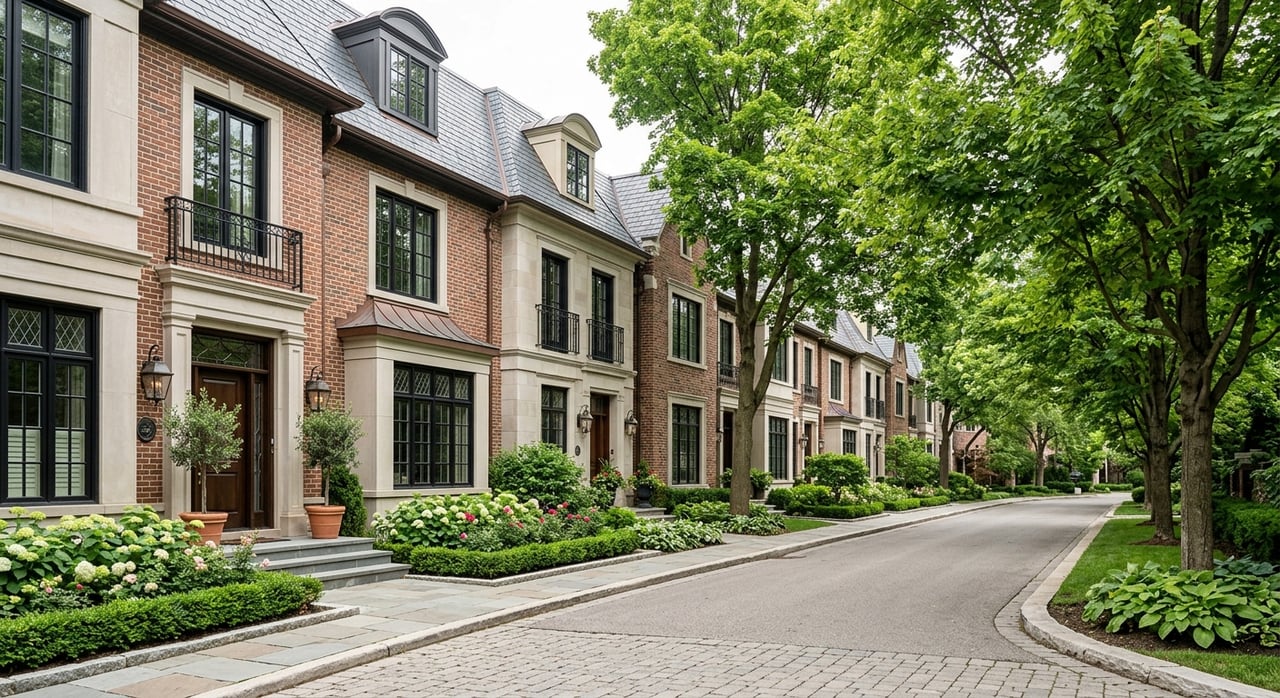
Townhomes and attached properties can make sense if you want a lower-maintenance setup. In some parts of Woodstock, especially near downtown or other walkable areas, this housing style may fit renters who want convenience without a detached home’s upkeep.
The catch is that HOA rules matter a lot more here. Lease restrictions, rental caps, approval requirements, and shared maintenance responsibilities can change the math quickly.
Bedroom Count Matters More Than Many Buyers Think
If you are trying to match your property to broad rental demand, bedroom count deserves close attention. Zillow’s rent data showed the following averages in Woodstock:
- 1-bedroom: $1,542
- 2-bedroom: $1,817
- 3-bedroom: $2,400
- 4-bedroom: $3,123
That spread helps frame how different property sizes may perform. Based on city demographics, 2- to 3-bedroom rentals likely offer one of the broadest fits for renters who want flexibility for work, guests, or household size.
That is not a guarantee of tenant demand for every property. It is simply a useful way to think about where your rental may line up with the wider market.
How to Underwrite Conservatively
A small investment property should work on paper before you fall in love with it. In Woodstock, that means staying disciplined on purchase price, expected rent, monthly costs, and reserves.
Start with a simple framework:
- Estimate realistic rent based on comparable size and property type
- Include vacancy in your planning
- Add property taxes, insurance, maintenance, and HOA dues if applicable
- Build in reserves for repairs and turnover
- Stress test the numbers in case rent comes in below your target
This matters even more when sale prices show year-over-year softness. If appreciation happens later, great. Your first goal should be buying a property that still makes sense if the market stays flat.
HOA Questions to Ask Before You Buy
If the property has an HOA, do not treat the dues like a minor line item. In Georgia, HOA documents and payment obligations can have a real impact on your ownership costs and rental options.
Georgia Consumer Ed notes that HOAs are governed by their founding documents, including bylaws and covenants, conditions, and restrictions. HOA fees may cover upkeep of common areas such as pools, tennis courts, or community entrances, and reserve shortfalls can lead to higher dues or special assessments.
Georgia law also makes unpaid HOA assessments a lien on the property. In some cases, after notice, an association may pursue foreclosure. That means unpaid dues are not just an annoyance. They can affect title, closing, and your risk profile.
Before you move forward, ask these questions:
- What are the monthly HOA dues?
- What exactly do those dues cover?
- Is there a rental cap?
- Is there a minimum lease term?
- Does the board require lease approval?
- Are there tenant screening requirements?
- Are short-term rentals prohibited?
- Has the community had any recent special assessments?
- Is there a reserve study or known reserve shortfall?
- Who handles exterior items like roofs, siding, gutters, landscaping, lighting, and mailboxes?
- What insurance responsibilities belong to the owner versus the association?
These questions are especially important with townhomes and attached units, where maintenance responsibility can shift a lot from one community to another.
One Niche to Treat Carefully
Woodstock zoning includes some senior-living districts that allow detached, attached, and multi-family units. However, those areas are age-restricted to residents 55 and older.
For most small investors targeting the general rental market, that makes these properties more niche than default options. If you come across one, make sure you understand exactly who can occupy it and how that affects long-term flexibility.
A Smart Woodstock Investment Mindset
Woodstock can be a compelling place to consider a small investment property, but the best opportunities are not always the flashiest listings. Often, the right deal is the one with steady rental appeal, manageable maintenance, clear community rules, and numbers that still hold up under pressure.
If you are weighing a single-family home against a townhome, or trying to decide whether a particular Woodstock property truly works as a rental, it helps to have a local advisor who can look at both the lifestyle side and the investment side. If you want a calm, data-driven conversation about your options in Woodstock or the surrounding North Atlanta market, connect with Trivon Thompson.
FAQs
Is Woodstock, GA a good place to consider a small rental property?
- Woodstock shows population growth, above-average household income, an active housing market, and a meaningful renter share, which makes it worth considering for small investors.
What property types make the most sense for small investors in Woodstock?
- Detached single-family homes, townhomes, and low-maintenance attached units are usually the most practical options based on Woodstock’s housing mix and zoning patterns.
What rent levels should you expect for a Woodstock investment property?
- Public rent data suggests a rough market range, with Zillow showing average rent measures between $2,149 and $2,463, while bedroom-level averages ranged from $1,542 for a 1-bedroom to $3,123 for a 4-bedroom.
Why do HOA rules matter when buying a Woodstock investment property?
- HOA rules can affect your monthly costs, rental ability, maintenance responsibilities, lease terms, and exposure to special assessments, so they can materially change the investment’s performance.
Should you count on appreciation when buying a rental in Woodstock?
- It is safer to underwrite based on rent, expenses, reserves, and exit flexibility because recent public data shows some year-over-year softness in local sale prices and home values.